Prompt library · Updated September 2026

GPT Image 2 Prompts: 12 Practical Examples

Use these prompts as structured starting points, not magic strings. Each example separates the subject, composition, lighting, materials, text, and constraints so you can see which part of the brief controls which visual decision.

Reusable framework

A GPT Image 2 prompt formula you can adapt

Start with the job the image needs to do, then make the visual relationships concrete. A shorter prompt with clear subject, composition, lighting, and constraints is often easier to evaluate than a long pile of quality adjectives.

  1. 01

    Subject and job

    Name the main subject and what the image needs to achieve, such as an ecommerce hero, launch poster, editorial portrait, packaging concept, or reference edit.

  2. 02

    Composition and camera

    Describe crop, point of view, subject placement, negative space, lens character, or layout hierarchy so the model does not have to guess the frame.

  3. 03

    Lighting and materials

    State light direction, softness, color temperature, reflections, surface finish, fabric, glass, metal, skin texture, or other visible production cues.

  4. 04

    Exact text or constraints

    Quote any short text that must appear and list the details that must stay unchanged, especially identity, product shape, colors, label placement, or brand-critical elements.

  5. 05

    Finish and exclusions

    Describe the final visual tone and mention what should not appear, such as extra text, fake logos, duplicated objects, plastic skin, clutter, or an unwanted color cast.

12 GPT Image 2 prompt examples

Copy a prompt, replace the subject or commercial context, and keep the structural pieces that make the brief testable. Generated results can vary, so review text, product details, hands, logos, and other critical elements before publishing.

Premium ecommerce product hero
Product photography

Premium ecommerce product hero

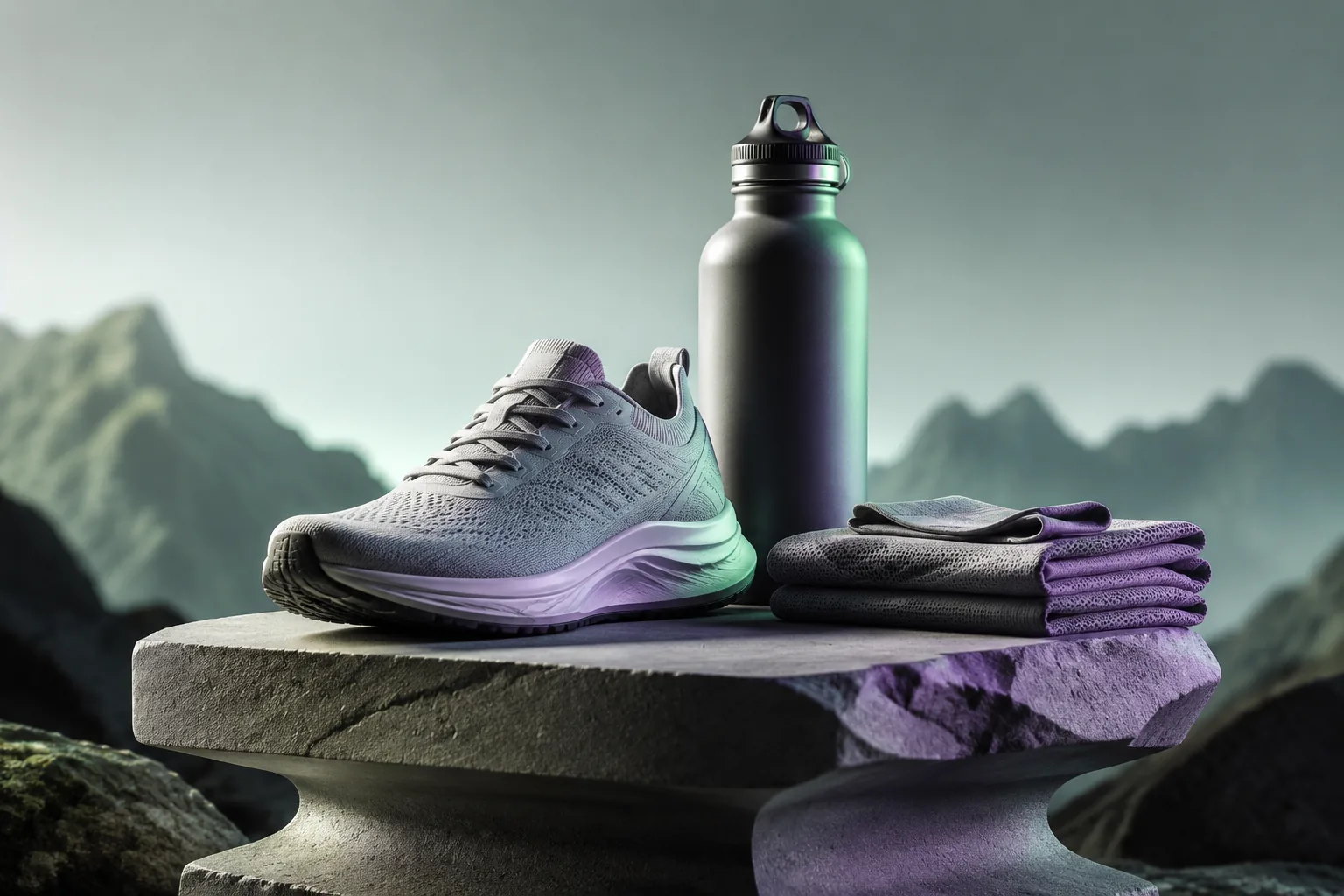
Create a premium ecommerce hero image of an unbranded running shoe on a warm limestone pedestal. Use a three-quarter camera angle, soft directional light from camera left, realistic woven fabric and rubber texture, a restrained cream background, one grounded contact shadow, and generous negative space on the right for later copy. Keep the shoe proportions physically believable and do not add logos or text.

Why this structure helps: The prompt separates product, camera angle, materials, light, negative space, and exclusions, which makes it easier to judge whether the output followed the commercial brief.

Poster with short readable text
Typography

Poster with short readable text

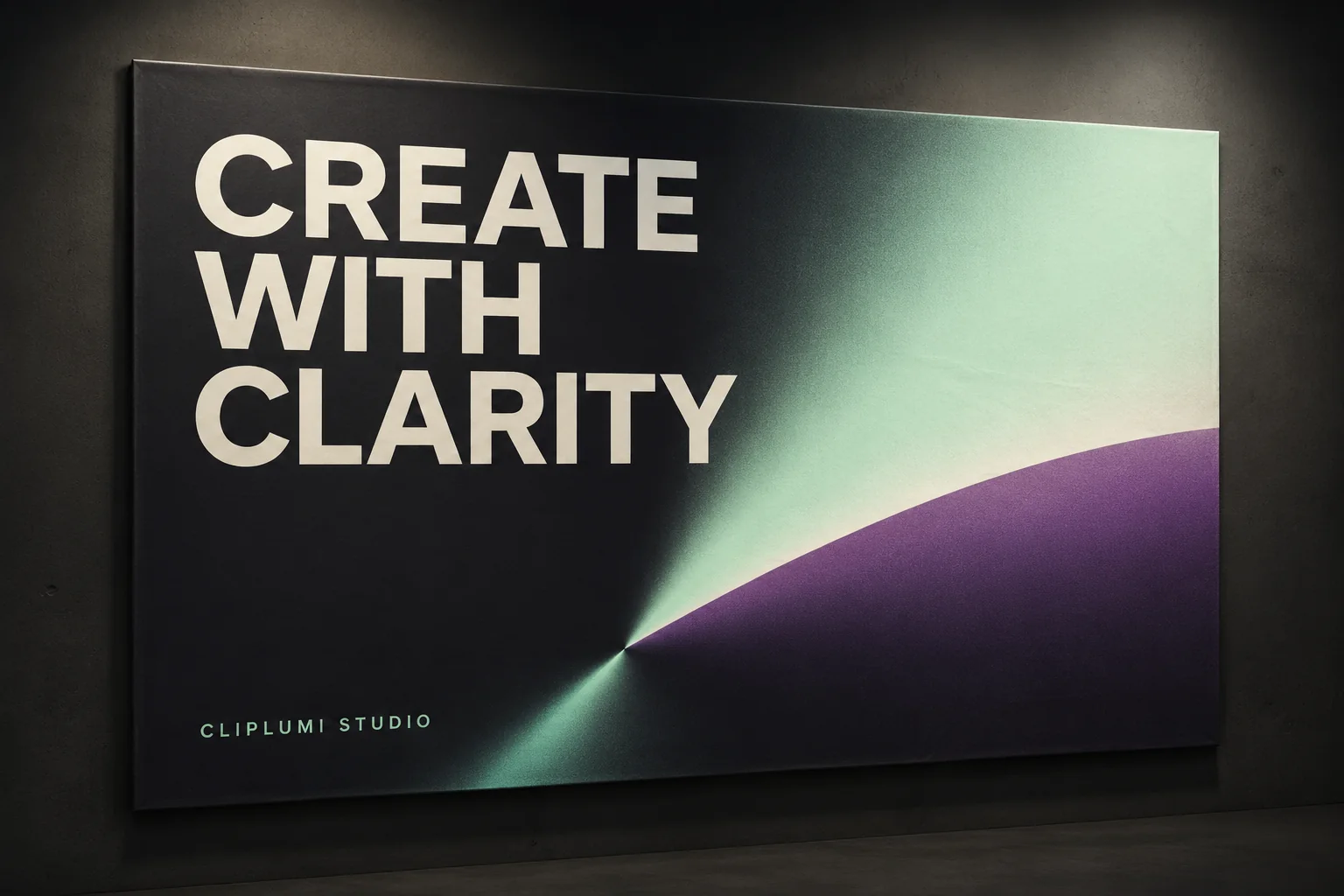
Design a vertical creative-studio poster with the exact headline CREATE WITH CLARITY and a smaller line CLIPLUMI STUDIO. Use bold modern sans-serif typography, a clear two-level hierarchy, generous negative space, crisp letterforms, mint and violet edge lighting, and a premium editorial grid. Do not add any other words, logos, badges, or decorative captions.

Why this structure helps: Short quoted copy, hierarchy, contrast, and a no-extra-text constraint give the model a more specific typography task than simply asking for a poster with good text.

Layered architectural scene
Long prompt

Layered architectural scene

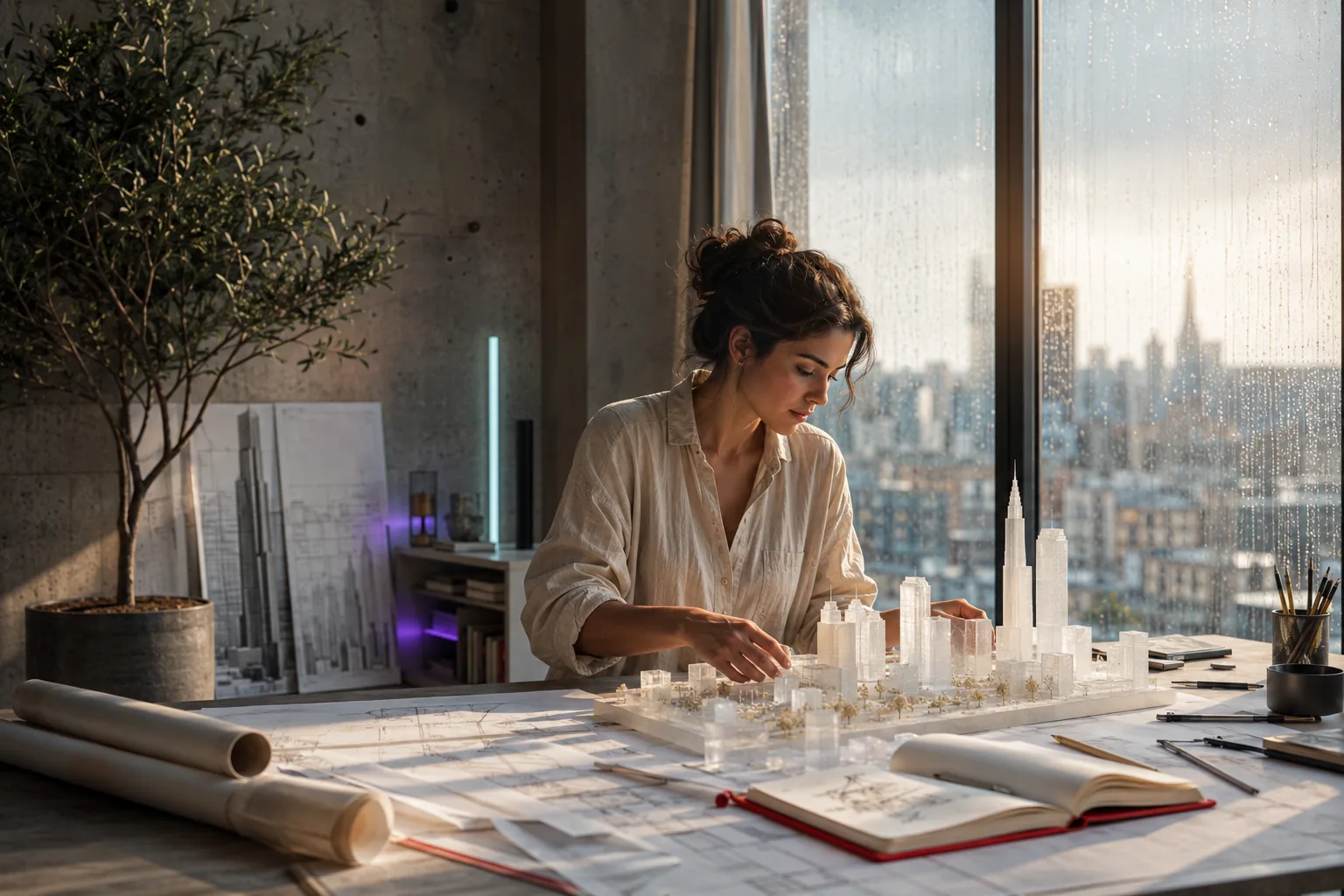
Create a contemporary architect's loft at blue hour. Place a walnut worktable in the foreground with two scale models, rolled plans, a steel ruler, and a brass task lamp. Behind it, show rain on tall industrial windows with a distant city skyline. Use warm practical lights inside, cool blue ambient light outside, realistic wood, paper, glass, and metal materials, an eye-level camera, balanced depth, and a calm editorial composition. No people and no text.

Why this structure helps: The prompt assigns foreground, background, materials, time of day, color contrast, and camera position so a dense scene still has a readable spatial structure.

Photoreal documentary portrait
Portrait photography

Photoreal documentary portrait

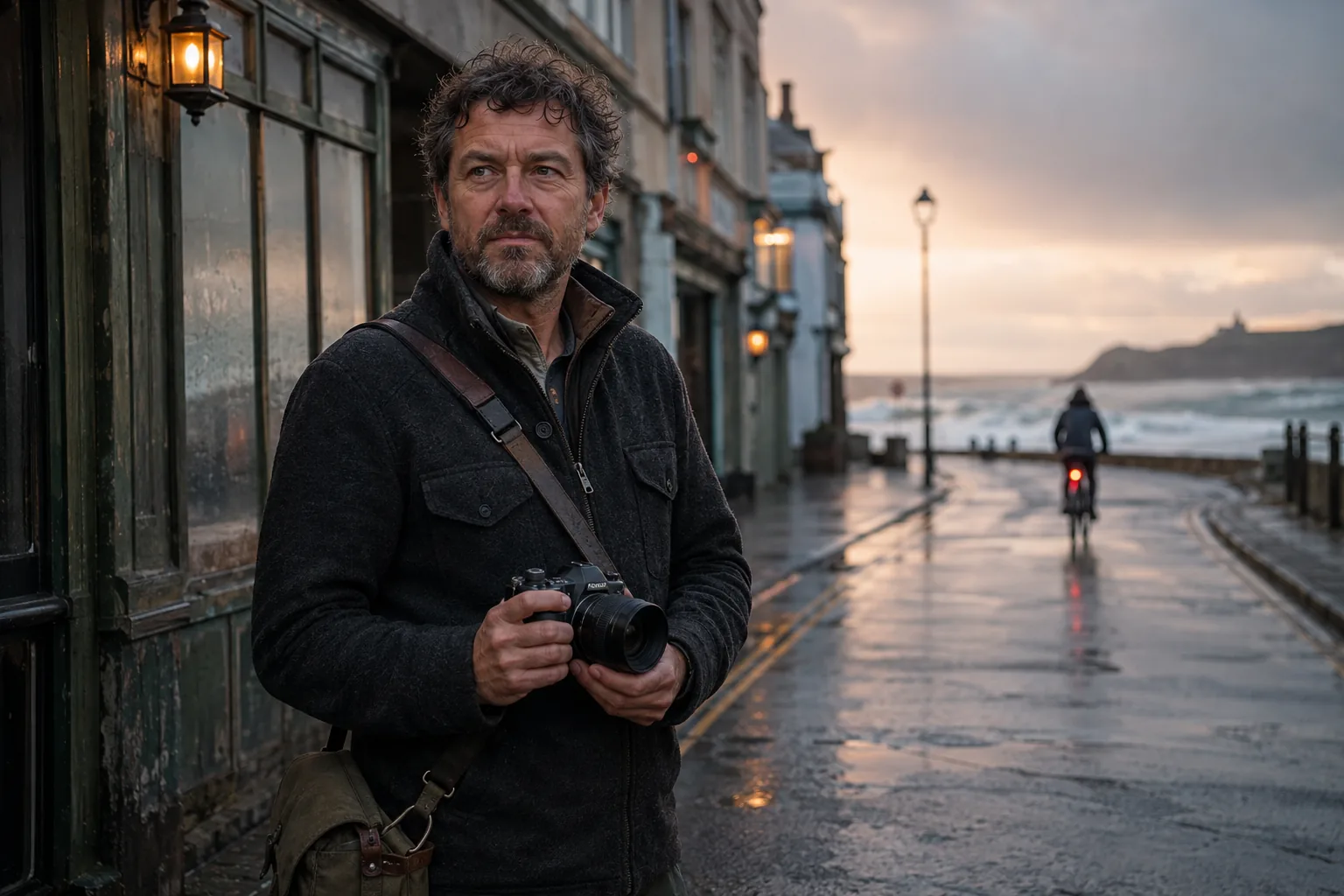
Create a documentary-style photograph of a female photographer on a rainy coastal overlook at dawn. She wears a weathered olive jacket and carries a compact camera. Preserve natural skin texture, windblown hair, realistic hands, and an unposed expression. Show wet dark rocks, subtle sea mist, and a distant lighthouse. Use 50mm lens character, shallow depth of field, soft overcast light, restrained film grain, and natural color.

Why this structure helps: The prompt uses observable photographic cues instead of vague words such as cinematic, and it explicitly protects details that often become over-smoothed or anatomically unstable.

Reference edit

Reference-guided product background edit

Use the uploaded product as the authoritative reference. Preserve its exact silhouette, proportions, label placement, material finish, colors, and camera perspective. Replace only the environment with a clean warm-gray studio sweep, add a softbox reflection from upper left and one realistic contact shadow beneath the product, and keep the full object inside the frame. Do not redesign the packaging or invent new text.

Why this structure helps: The preserve instructions clearly separate the product identity from the background edit, which is especially important when a commercial source image must remain recognizable.

Marketing visual

Square social campaign concept

Create a square social campaign image for a minimalist reusable water bottle. Place the bottle slightly left of center on a sculpted stone block, use a pale mint background with a soft violet rim light, add subtle condensation and a realistic grounded shadow, and keep the right third intentionally clean for copy that will be added later. No generated text, no logo, and no extra products.

Why this structure helps: The prompt treats negative space as part of composition and blocks unwanted generated copy, making the result easier to hand off to a normal design workflow.

Packaging

Packaging concept without fake legal copy

Create a premium packaging concept for an imaginary herbal tea called FIELD NOTE. Show one matte paper box and three simple tea sachets on a warm cream tabletop. Use understated dark-green typography for the exact words FIELD NOTE only, botanical line art, soft morning window light, realistic paper texture, and a clean front three-quarter product view. Do not create ingredients, nutrition facts, certification marks, barcodes, prices, or legal claims.

Why this structure helps: The prompt allows a short controlled brand name while explicitly excluding regulatory copy that should not be invented by an image model.

Interior

Editorial interior with controlled styling

Create an editorial photograph of a compact reading corner in a modern apartment. Include a low oak lounge chair, cream wool throw, narrow black floor lamp, small side table, and one ceramic cup. Use late-afternoon side light through sheer curtains, soft wall shadows, natural wood and textile texture, eye-level framing, and a quiet neutral palette. Avoid perfect symmetry, excessive decor, visible brand logos, and people.

Why this structure helps: Specific furniture, material, light, and composition choices produce a testable interior brief while the exclusions keep the scene from becoming generic showroom clutter.

Food photography

Restaurant hero image with reserved text space

Create a horizontal restaurant hero photograph of handmade lemon pasta in a shallow ceramic bowl. Show glossy sauce, fine lemon zest, parsley, and a small amount of steam. Use a dark stone tabletop, warm side light, shallow depth of field, and a natural three-quarter camera angle. Keep the left side visually rich and the right side darker and uncluttered for menu copy. No generated words, utensils crossing the bowl, or impossible garnish.

Why this structure helps: The prompt treats food texture, steam, light, camera angle, and layout space as separate production requirements instead of relying on a generic delicious-food instruction.

Illustration

Consistent character design sheet

Create a clean character design sheet for an original bicycle courier named Mina. Show the same adult character in front, three-quarter, and side views with consistent facial structure, short black hair, mustard windbreaker, charcoal cargo pants, red messenger bag, and white sneakers. Use a neutral light background, simple studio lighting, natural proportions, and clear spacing between poses. No text labels and no duplicated limbs.

Why this structure helps: Repeating the identity-defining details across every view gives the model a checklist for consistency instead of asking vaguely for the same character.

UI concept

Clean SaaS landing-page visual

Create a wide 16:9 hero visual for an AI image workspace. Show a dark editorial canvas with one polished product image in the center, a small reference-image strip on the left, restrained prompt controls on the right, and subtle mint and violet highlights. Keep interface text abstract and unreadable except for one clear label CREATE. Use realistic spacing, crisp edges, no brand logos, and no dense dashboard clutter.

Why this structure helps: The prompt defines information hierarchy and explicitly limits readable interface text, which helps prevent a visually noisy pseudo-dashboard full of broken labels.

Refinement

Targeted correction after a weak first result

Keep the current composition, camera angle, product position, background color, and lighting exactly as they are. Correct only these issues: restore the original bottle proportions, make the printed label rectangular and centered, remove the extra cap reflection, and make the contact shadow slightly softer. Do not change the crop, add props, alter the bottle color, or introduce new text.

Why this structure helps: A correction prompt freezes the parts that already work and names only the visible defects, making the next iteration easier to compare with the previous output.

How to improve a prompt after the first result

Treat the first output as evidence. Fix the most visible problem, protect details that drifted, and avoid rewriting the entire brief unless the creative direction itself is wrong.

Freeze what already works

When composition or lighting is good, say to keep it unchanged before asking for a correction. Otherwise the next generation may solve one problem by changing three unrelated things.

Correct visible defects specifically

Replace make it better with instructions such as restore the original label shape, reduce skin smoothing, keep both hands anatomically natural, or soften the contact shadow.

Use exact text sparingly

Keep generated copy short, quote it exactly, describe hierarchy and contrast, and review every character before commercial use. Long legal or packaging text belongs in a normal design workflow.

Separate product truth from art direction

For reference edits, identify which image is authoritative for shape, identity, label placement, or materials, then describe background and lighting as separate variables.

Compare models with the same brief

If you want to compare GPT Image 2 with Nano Banana 2 or another model, keep the subject, ratio, and prompt stable first. Otherwise you cannot tell whether the model or the changed brief caused the difference.

GPT Image 2 Prompt FAQs

Questions about prompt length, reference images, readable text, product prompts, iteration, and using the examples in ClipLumi.

What makes a good GPT Image 2 prompt?

A useful prompt gives the model a visible job rather than a pile of adjectives. State the subject and action first, then describe composition, camera position, lighting, materials, exact short text, and any details that must stay fixed. The best structure depends on the task, so remove sections that do not matter instead of making every prompt long.

Do longer GPT Image 2 prompts always work better?

No. Length is useful only when each sentence adds a concrete constraint or relationship. A shorter prompt that clearly defines subject, frame, lighting, materials, and exclusions can be easier to evaluate than a long prompt full of repeated quality words.

How should I write a GPT Image 2 product-photo prompt?

Describe the product as the visual authority, then separate the commercial changes. Name the shape, proportions, colors, label placement, materials, and camera angle that should remain consistent before describing the new background, lighting, surface, props, crop, or negative space. Review brand-critical details after generation.

How do I prompt GPT Image 2 to create readable text?

Keep the copy short, quote the exact words, describe hierarchy and contrast, and explicitly block extra text. Generated lettering still needs final review, especially for pricing, packaging, legal, medical, financial, or brand-critical content.

Can I use these prompts with reference images?

Yes. When you attach a reference in ClipLumi, tell the prompt what that image controls. For example, use reference 1 as the authority for product shape and label placement, then describe the environment and lighting you want to change. GPT Image 2 currently accepts up to three reference images in the ClipLumi workflow.

What should I do when the first image is almost right?

Freeze the parts that already work and correct one or two visible issues. A focused second prompt such as keep the current composition and lighting, restore the original label proportions, and soften the shadow is easier to compare than rewriting the full creative brief.

Can I copy these prompts exactly?

Yes, but they are designed as templates. Replace the subject, product, text, environment, camera, and constraints with details from your own task. The value is the structure, not the exact nouns in the example.

How do I test GPT Image 2 against another model fairly?

Use the same prompt, aspect ratio, reference images, and comparable output settings for the first comparison. Save the first valid output from each model, score the criteria that matter to your task, and only then change the prompt. This reduces the chance that prompt changes are mistaken for model differences.
Turn one prompt into a real test

Open GPT Image 2 in ClipLumi, paste one example, replace the subject and constraints with your own brief, then compare the result at full size before deciding what to refine next.

Try GPT Image 2